


@ 2025 BAED Visos teisės saugomos

Pulpotomy of Permanent Teeth with Georg Benjamin
22 spalio
@
10:00
-
16:00
Pulpotomija nuolatiniuose dantyse tampa vis vertingesne gydymo galimybe, leidžiančia gydytojams išsaugoti pulpos gyvybingumą ir natūralią danties struktūrą net sudėtingose klinikinėse situacijose. Vis dėlto daugeliui odontologų gyvybingos pulpos terapijos taikymas kasdienėje praktikoje vis dar kelia svarbių klausimų: kada pasirinkti pulpotomiją, kaip įvertinti pulpos būklę, kaip kontroliuoti kraujavimą ir kaip pasiekti prognozuojamų ilgalaikių rezultatų.
Šiame praktiniame kurse su Georg pulpotomija pristatoma kaip biologija pagrįstas, prognozuojamas ir klinikinėje praktikoje pritaikomas danties išsaugojimo metodas. Dėmesys skiriamas ne tik pačiai procedūrai, bet ir visam klinikinių sprendimų priėmimo procesui – nuo gilaus karieso diagnostikos ir gydymo planavimo iki izoliacijos, pulpos būklės įvertinimo, medžiagų pasirinkimo ir galutinio danties atkūrimo.
Remdamiesi realiais klinikiniais atvejais, dalyviai išmoks atpažinti tinkamus atvejus pulpotomijai, valdyti sudėtingas klinikines situacijas ir susikurti struktūruotą gydymo protokolą, kurį galės tiesiogiai pritaikyti kasdienėje klinikinėje praktikoje.
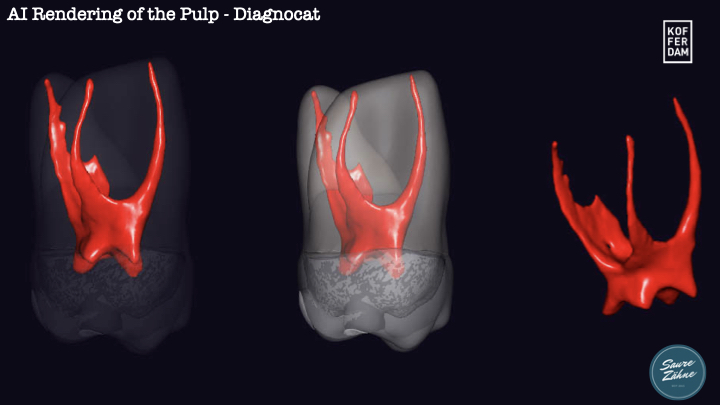
KO IŠMOKSITE?
- Atrinkti tinkamus atvejus pulpotomijai
- Įvertinti pulpos būklę ir kontroliuoti kraujavimą
- Priimti klinikinius sprendimus skirtinguose gydymo etapuose
- Tinkamai naudoti MTA ir kalcio silikato medžiagas
- Taikyti koferdamo izoliaciją prognozuojamam gydymui
- Užtikrinti ilgalaikę gydymo sėkmę tinkamai užsandarinant dantį
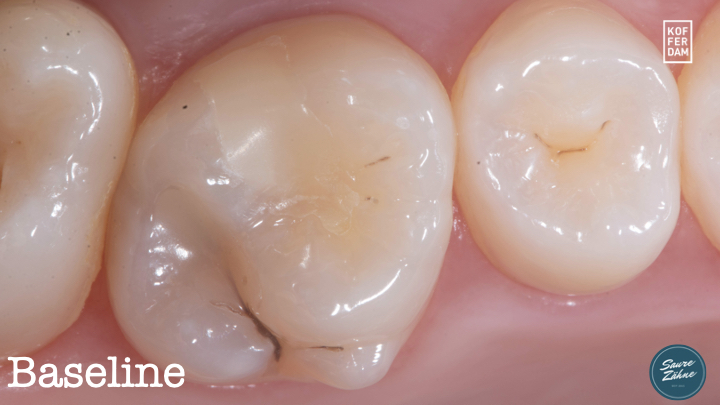
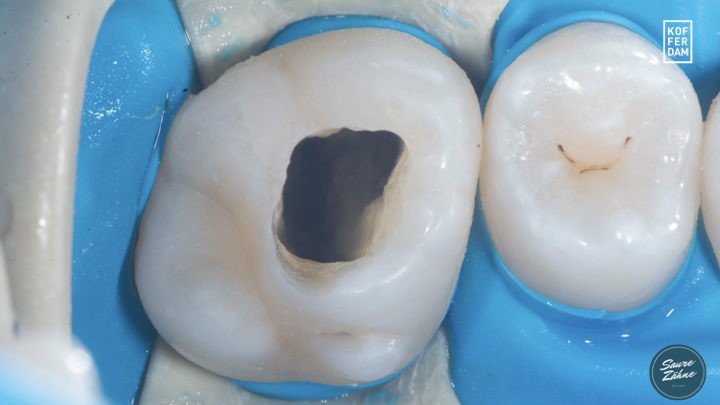
HANDS-ON:
- Darbas pagal pulpotomijos klinikinį protokolą
- Pulpos atvėrimas ir kraujavimo kontrolė
- Kalcio silikato pagrindo medžiagos aplikavimas
- Galutinio danties užsandarinimo principai
- Gyva demonstracija ir praktinis darbas ant modelio.
10:00 – 11:30 TEORINĖ DALIS I
Šioje sesijoje nagrinėjami klinikiniai atvejai, susiję su giliu kariesu, pulpos atvėrimu ir simptomais, tradiciškai siejamais su negrįžtamu pulpitu. Dalyviai sužinos, kaip įvertinti klinikinę situaciją prieš pradedant gydymą, nustatyti, kada sustabdyti karieso pašalinimą, įvertinti danties restauravimo galimybes, valdyti pulpos atvėrimą ir nuspręsti, kada gyvybingos pulpos terapija yra tinkamiausias gydymo pasirinkimas.
Moksliniai įrodymai, biologiniai principai ir šiuolaikinės rekomendacijos bus integruojami į realių klinikinių situacijų analizę. Koferdamas bus pristatomas kaip esminė prognozuojamo gydymo protokolo dalis, ypač sudėtingais klinikiniais atvejais.
11:30 – 12:00 KAVOS PERTRAUKĖLĖ
12:00 – 13:30 TEORINĖ DALIS II
Šioje sesijoje nuosekliai nagrinėjamas visas pulpotomijos gydymo protokolas – nuo pulpos atvėrimo ir audinių būklės įvertinimo iki kraujavimo kontrolės, kalcio silikato pagrindo medžiagų naudojimo ir galutinio vainikinės danties dalies hermetinio užsandarinimo.
Ypatingas dėmesys skiriamas dažniausiai klinikinėje praktikoje kylančioms problemoms: giliam proksimaliniam kariesui, subgingivalinėms restauracijų riboms, sudėtingai izoliacijai, nepakankamai kraujavimo kontrolei, struktūriškai pažeistiems dantims, pooperaciniams simptomams, nesėkmingo gydymo valdymui ir tolesnio paciento stebėjimo strategijoms.
13:30 – 14:00 KAVOS PETRAUKELĖ
14:00 – 16:00 LIVE DEMONSTRACIJA IR HANDS-ON
Sesija prasidės gyva klinikinio gydymo protokolo demonstracija, kurios metu bus pristatoma izoliacija koferdamu, pulpos atvėrimo valdymas, kraujavimo kontrolė, kalcio silikato pagrindo medžiagų naudojimas ir galutinis danties restauracinis užsandarinimas. Po demonstracijos dalyviai turės galimybę praktiškai išbandyti ir pritaikyti kalcio silikato pagrindo medžiagą ant modelio.